


Sorghum (Jowar)
One of the most important millets in India. It's used for making rotis (bhakri), porridge, and as animal fodder. Grown extensively in Maharashtra, Karnataka, Rajasthan, and Madhya Pradesh.
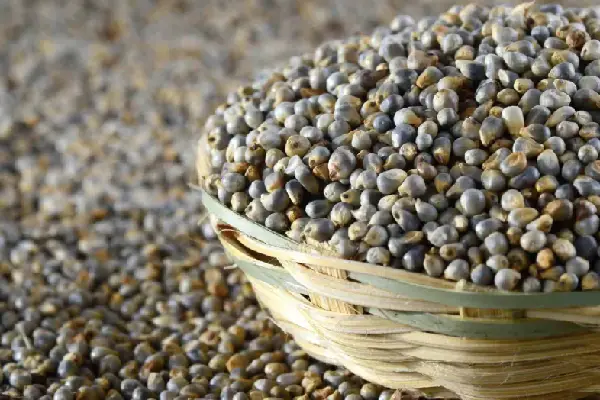
Pearl Millet (Bajra)
Another major millet, known for its tolerance to drought and heat. Used for making bhakri, rotis, khichdi, and porridge. Rajasthan is the largest producer, followed by Uttar Pradesh, Haryana, and Gujarat.
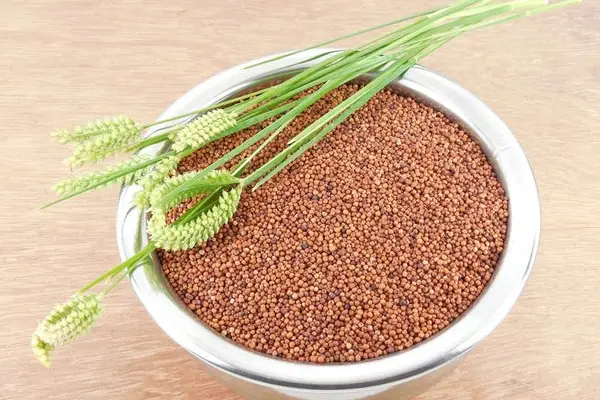
Finger Millet (Ragi/Nachni)
Rich in calcium and iron. Used to make ragi mudde (dumplings), dosas, idlis, porridge, and malt. Cultivated primarily in Karnataka, Tamil Nadu, Andhra Pradesh, Odisha, and Uttarakhand.
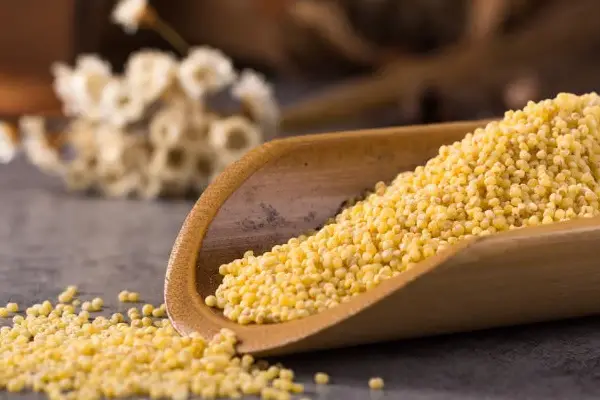
Foxtail Millet (Kangni/Kakum/Tenai)
A small-grained millet rich in dietary fibre. Used for making upma, porridge, and rice-like preparations. Grown in Andhra Pradesh, Karnataka, Tamil Nadu, and Maharashtra.
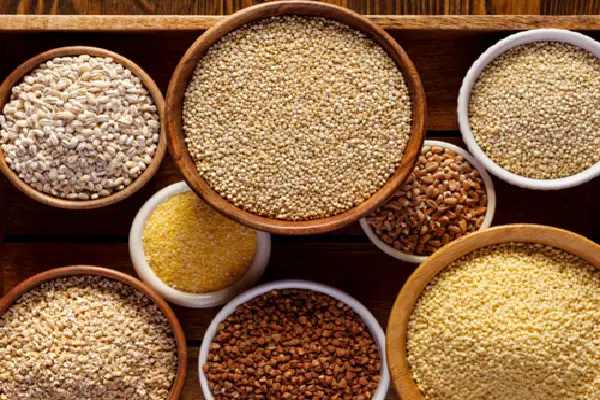
Little Millet (Kutki/Samai/Varai)
A small, versatile millet. Used in porridges, khichdi, and as a rice substitute. Cultivated in states like Madhya Pradesh, Chhattisgarh, and parts of South India.
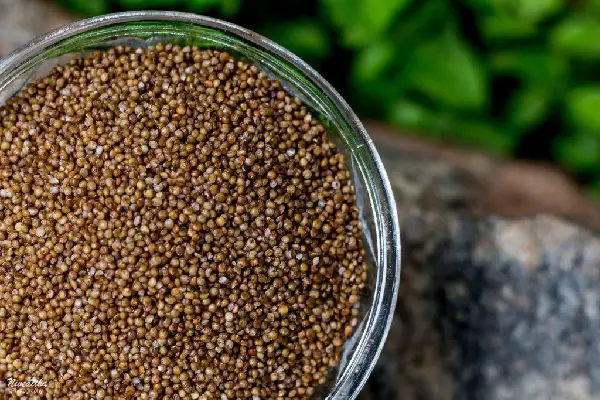
Kodo Millet (Kodra/Arikelu)
A drought-resistant crop, often grown in marginal lands. Used for making porridge and as a rice substitute. Found in states like Madhya Pradesh, Chhattisgarh, Tamil Nadu, and Karnataka.

Barnyard Millet (Sanwa/Jhangora/Oodalu)
Grows quickly and is often used as a fasting food. Used in porridges, khichdi, and upma. Cultivated in Uttarakhand, Tamil Nadu, and Andhra Pradesh.

Proso Millet (Cheena/Barri/Variga)
A short-duration crop that is also drought-tolerant. Used for bird feed and human consumption in various forms. Grown in states like Madhya Pradesh, Uttar Pradesh, and Bihar.
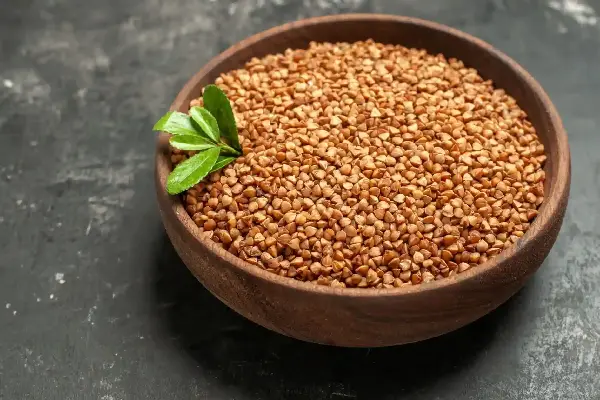
Browntop Millet (Korle/Andakorra)
Gaining recognition for its nutritional benefits. Cultivated in some parts of Karnataka and Andhra Pradesh.


Basmati Rice
Known for its long, slender grains, distinct aroma, and fluffy texture when cooked. Primarily grown in the northwestern states like Punjab, Haryana, and Uttarakhand. It's a popular choice for biryanis, pulao, and as a premium table rice. Varieties include Pusa Basmati 1121, Pusa Basmati 1509, and traditional Basmati.
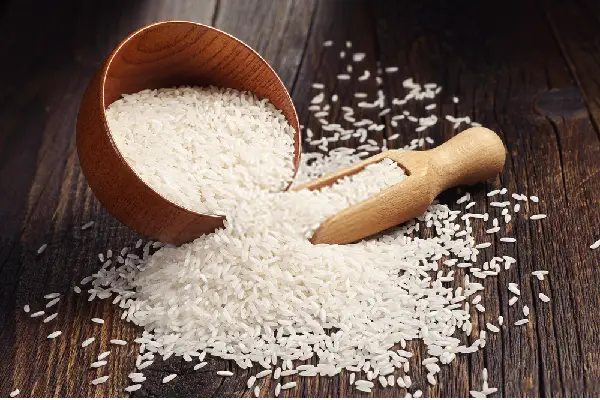
Sona Masuri (or) Masoori
A medium-grain rice that is lightweight and aromatic. Popular in South Indian states like Andhra Pradesh, Telangana, and Karnataka. Used for daily meals, preparing dishes like pongal, idli, and dosa.

Kolam Rice
A short to medium-grain rice known for its soft texture and mild flavour. Cultivated in states like Maharashtra and Gujarat, and also in parts of South India. Often used for everyday meals and dishes like fried rice.

Red Rice
Characterized by its reddish-brown bran layer, it's a whole grain rice with a nutty flavour and higher nutritional value (rich in fiber and antioxidants). Varieties like Matta rice (Palakkadan Matta) from Kerala are well-known.

Black Rice (Chak-hao)
Known for its dark colour (deep purple to black) and nutty, slightly sweet flavour. Rich in antioxidants. Cultivated in regions like Manipur and other northeastern states. Used in desserts and special dishes.
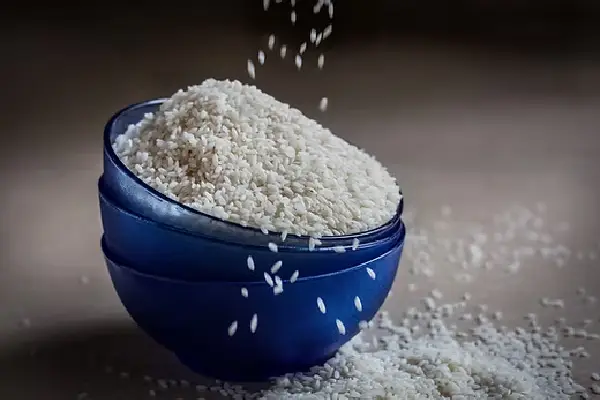
Gobindobhog Rice
A short-grain, aromatic rice primarily from West Bengal. It's used in traditional Bengali cuisine, including khichuri, pulao, and kheer.
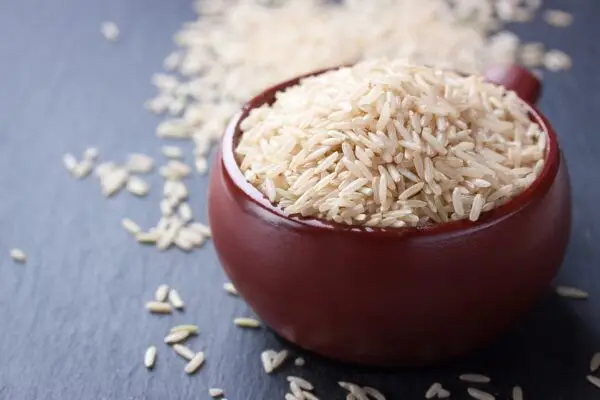
Jeera Samba (or) Seeraga Samba
A very small-grained, aromatic rice popular in Tamil Nadu, especially for making biryani. Its name comes from its resemblance to cumin seeds (jeera).
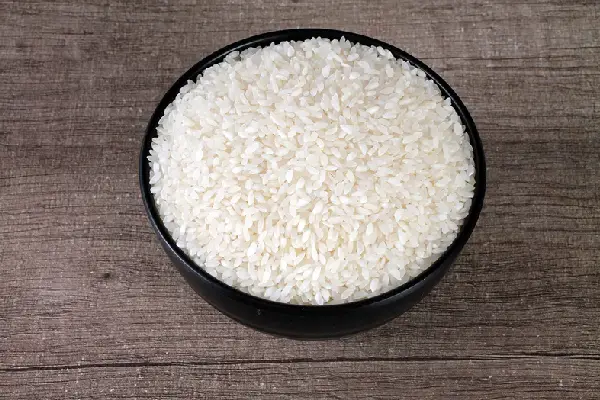
Ambemohar Rice
A short-grain, aromatic rice from Maharashtra, known for its fragrance reminiscent of mango blossoms.
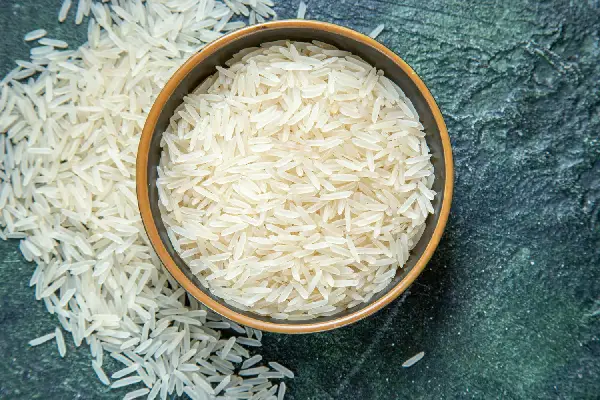
Indrayani Rice
A medium-grain, mild-flavoured rice, also popular in Maharashtra.

Other notable varieties
Joha (aromatic rice from Assam), Dubraj (from Madhya Pradesh and Chhattisgarh), Ponni (Tamil Nadu), and numerous local landraces specific to different regions. India also grows a significant amount of Parboiled Rice, where the paddy is partially boiled before milling, which helps retain more nutrients.


